
Preparing Wool for Dyeing
Why can’t we just dye wool straight away?
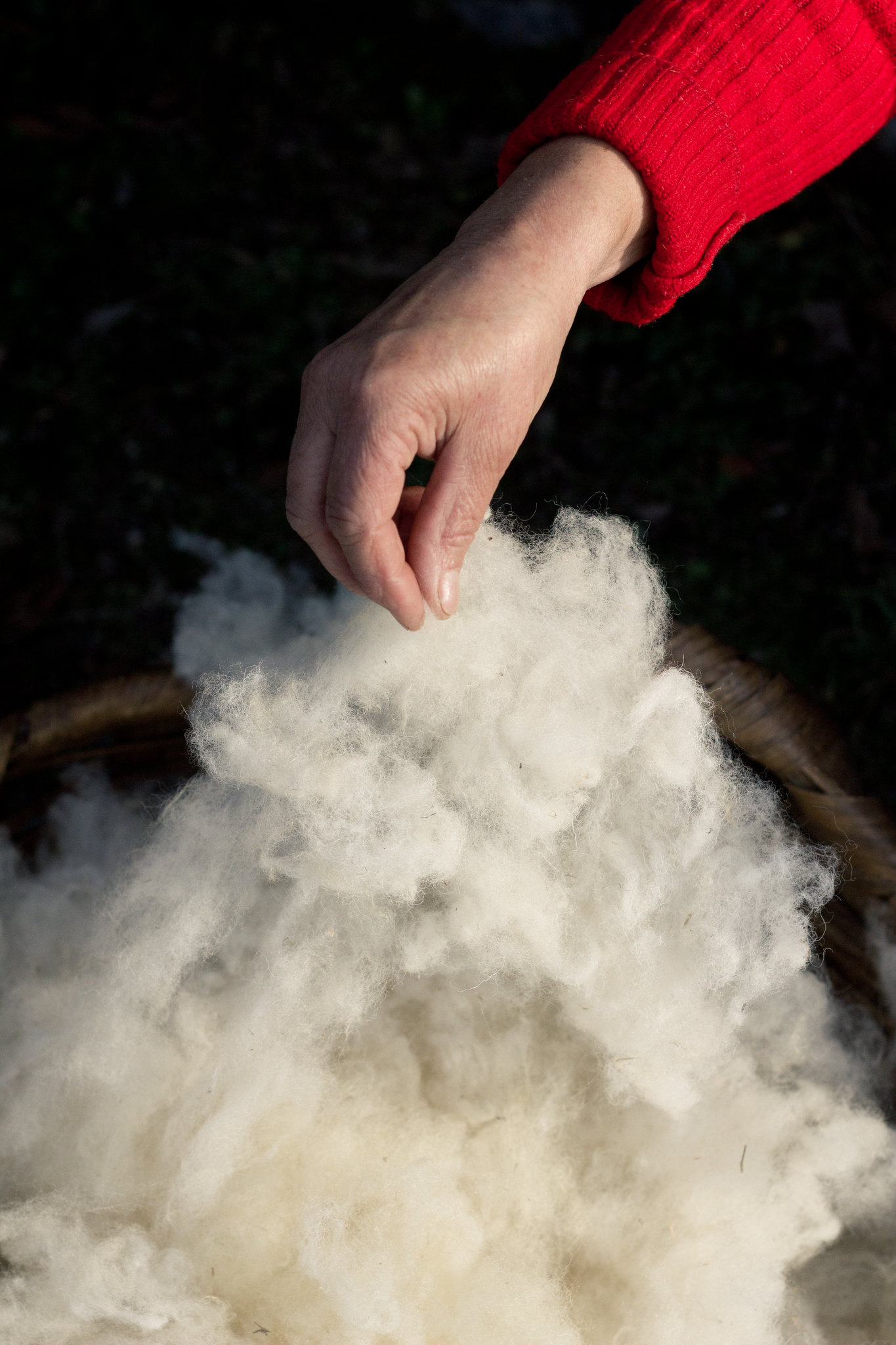
Because wool carries more than meets the eye. Even after shearing and washing, fibres are coated in lanolin, dust, and waxes. If you drop unprepared wool into a dye bath, the dyes will sit unevenly, leaving patchy results. That’s why dyers scour the wool first, a warm soak with neutral soap that gently lifts out the grease. Once clean, the fibres are light, fluffy, and thirsty for colour.
What does mordanting actually do?
If scouring is about cleaning, mordanting is about connecting.
Mordants are metallic salts who will ensure the bond between textile fibre and dye, as very few dyes bind effectively to the fibres without using a mordant. The type of mordant, quantity used, quality or mordanting method used with the same dye can result in different colours.
With mordanting, yellows shine brighter and reds deepen.
Why does this matter for CommunityCloth?
Because teaching natural dyeing isn’t just about colour, it’s about process. Preparing wool shows participants that sustainability is about care: respecting materials, using less, and making colour last. In CommunityCloth’s training sessions, this stage becomes a hands-on lesson in patience and precision, connecting participants to the fibre before they even touch the dye plants.It sets the stage for everything that follows.