
Growing Plants for Dyeing
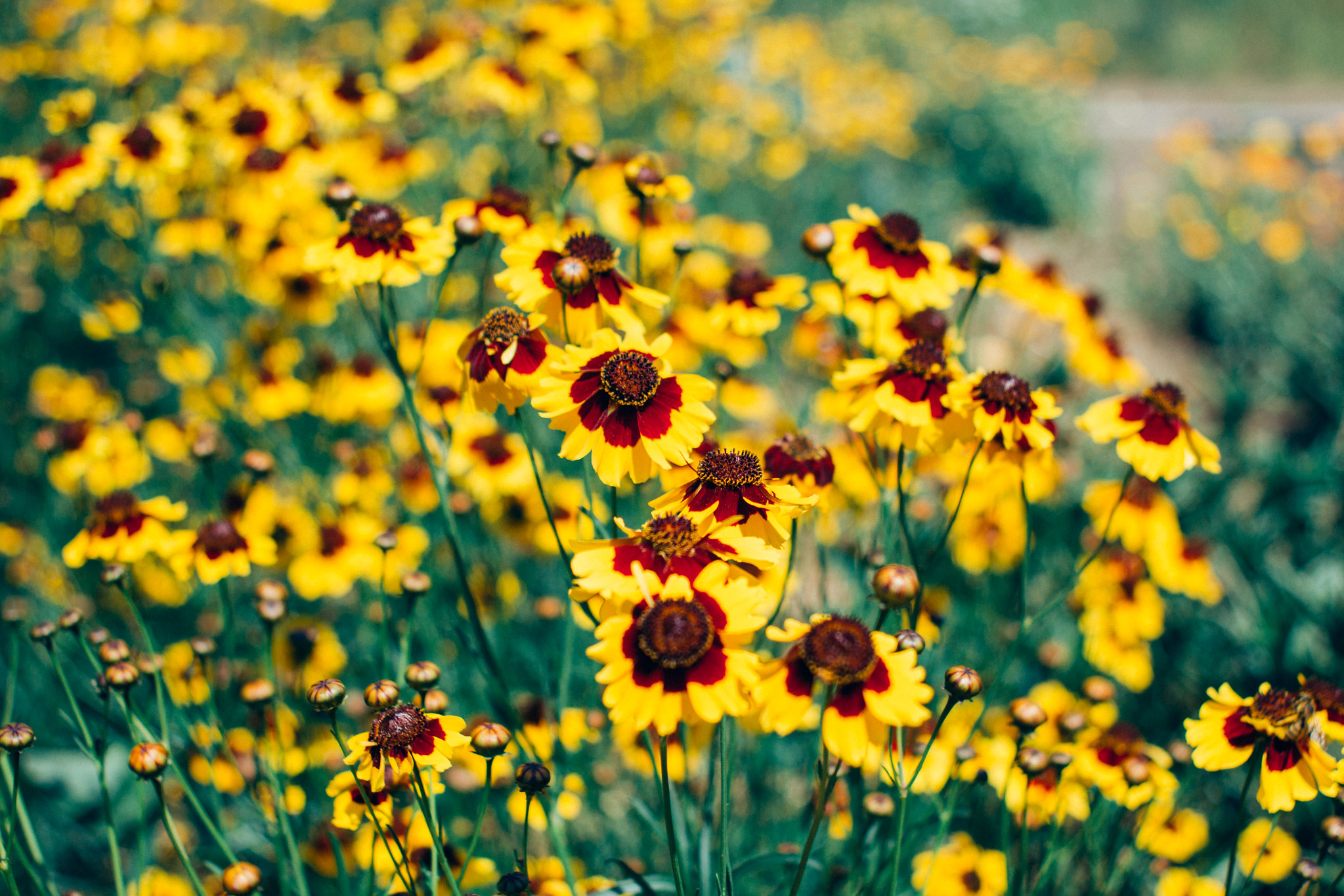
When we think about colour, most of us picture the dye pot. But the real story starts in the garden. Growing plants for dyeing is a way to make the process sustainable from the ground up, while also reconnecting with knowledge that once belonged to everyday life.
With the CommunityCloth project we encourage participants to see gardens as more than food sources. A balcony pot, a corner of a school garden, or a patch in a community allotment can become a small dye garden. Choosing plants that suit the local climate and rotating them alongside food crops not only provides raw material for colour, but also improves soil health and biodiversity.
Which plants are good to start with in a dye garden?
- Woad – Produces a blue pigment (indigo) extracted from its leaves.
- Madder – Its roots produce strong reds and orange hues.
- Weld – Famous for clear yellows that don’t fade easily.
- Dyer’s coreopsis or Marigolds - Yellows, oranges and reddish-browns.
Dye gardens show that natural dyeing is not separate from everyday life. They are spaces where creativity, ecology, and community learning meet; small but powerful steps toward sustainable textile practices.